
Blog BLOG



GET IN TOUCH
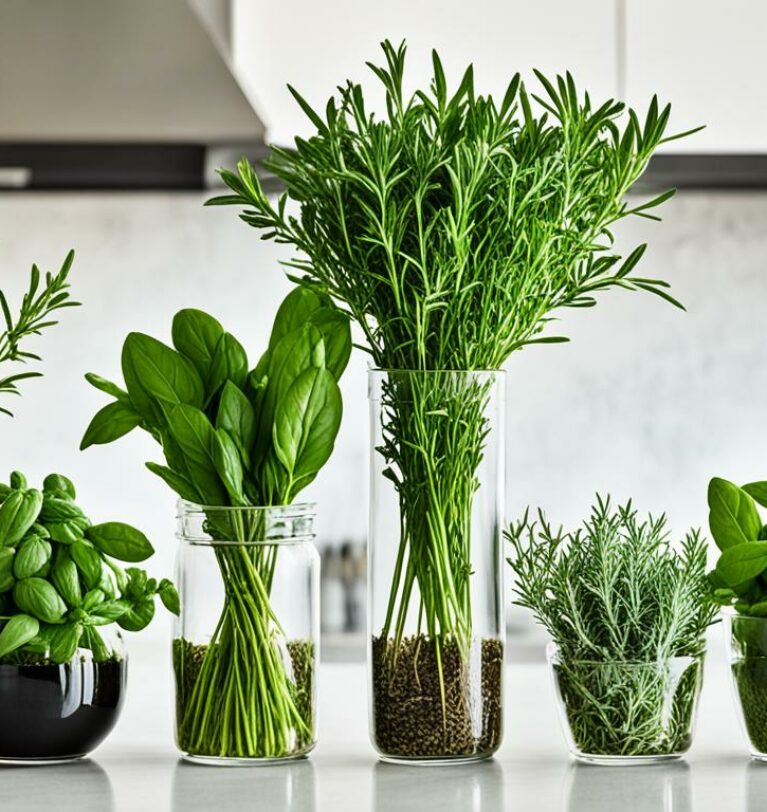
Culinary herbs are essential in any chef’s kitchen, enhancing flavours and offering health benefits. Creating dishes with aromatic herbs provides a delightful sensory experience.
Basil, with its sweet and peppery flavour, is a standout herb. It enriches various cuisines and pairs well with tomatoes, mozzarella cheese, and olives, particularly in Italian dishes. Basil comes in many varieties, like Thai, lemon, holy, purple, cinnamon, and chocolate basil, each with a unique taste and aroma.
Basil’s versatility extends to its use in fresh or dried form in sauces, dressings, soups, stews, and even basil lemonade. Preserving basil is easy through methods like freezing and drying. Incorporating basil into your recipes infuses them with delicious taste and cultural significance.
The Importance of High-Quality Salts
High-quality salts, like Diamond Crystal Kosher salt, are crucial for enhancing flavours. Available in various forms, this salt provides better control over seasoning and brings out the nuances of other spices. It also draws moisture from meat, making dishes more tender and flavorful.
Diamond Crystal Kosher salt is valued for its ability to intensify flavours and its versatility in culinary applications. It’s a favourite among chefs for its premium quality and its role in achieving a balance of flavours.
Chef Emma Thompson emphasizes the transformative power of high-quality salts, particularly Diamond Crystal Kosher salt, in elevating dishes.
Enhancing Flavor with Diamond Crystal Kosher Salt
Diamond Crystal Kosher salt is known for its unique crystalline structure and its effectiveness in seasoning. It ensures even distribution of saltiness and acts as a superb seasoning base. Its moisture-drawing ability contributes to creating succulent, juicy dishes.
Chef Gordon Ramsay praises Diamond Crystal Kosher salt for its exceptional quality and seasoning capabilities.
The Choice of Chefs
Chefs prefer Diamond Crystal Kosher salt for its consistency, quality, and ease of handling. It is an invaluable ingredient in their kitchens, enhancing any cuisine’s taste.
The Power of Fresh Peppercorns
Pepper is another fundamental seasoning, complementing salt and enhancing the flavour profile of dishes. Using fresh peppercorns, like black, white, and Malabar black peppercorns, offers unique tastes and aromas. Understanding the balance between salt and pepper and experimenting with peppercorn varieties can lead to culinary excellence.
Fresh peppercorns add a bold kick, enabling creativity in cooking. Grinding peppercorns just before use maximizes flavour and aroma.
Adding fresh peppercorns to your seasoning repertoire unlocks new possibilities in culinary arts, whether you’re a professional chef or a home cook.
Advance Your Culinary Pursuits with Secret Ingredients
Salt and pepper are key ingredients that significantly enhance your cooking. Aspiring home cooks can discover more such ingredients through cooking classes or by exploring chefs’ pantries. Platforms like Food Fire+Knives offer professional cooking classes that can help refine your skills and enable you to recreate restaurant-quality recipes at home.
By exploring various flavours and spices, you can broaden your culinary horizons and create memorable meals for loved ones.
FAQ
What are some common culinary herbs that chefs use?
Some common culinary herbs used by chefs include basil, thyme, rosemary, oregano, and parsley.
How can basil be used in cooking?
Basil can be used fresh or dried in sauces, dressings, soups, stews, and as a garnish. It pairs well with ingredients like tomatoes, mozzarella cheese, and olives.
What are the different varieties of basil available?
Different varieties of basil include Thai basil, lemon basil, holy basil, purple basil, cinnamon basil, and chocolate basil. Each variety offers unique flavours and aromas.
How can leftover basil be preserved?
Leftover basil can be frozen or dried to preserve its freshness and flavour.
What can be made with basil besides using it in cooking?
Basil can also be used to make refreshing drinks like basil lemonade.
Why is Diamond Crystal Kosher salt popular among chefs?
Diamond Crystal Kosher salt allows for better control over the amount of salt used as it comes in various forms, from coarse to fine. It enhances the flavours of other spices and helps draw out moisture from the meat.
How can fresh peppercorns enhance the flavour of dishes?
Using fresh peppercorns adds a bold kick and enhances the overall flavour profile of dishes.
What is the difference between black peppercorns and white peppercorns?
Black peppercorns are commonly used and have a robust flavour, while white peppercorns offer a lightly-fermented taste.
What are Malabar black peppercorns known for?
Malabar black peppercorns are known for adding aroma and pungency to dishes, increasing the richness of food.
How can aspiring home cooks enhance their cooking skills?
Aspiring home cooks can enhance their cooking skills by taking cooking classes or seeking inspiration from chefs’ pantries.
Where can I find professional cooking classes?
Platforms like Food Fire+Knives offer professional cooking classes that can help sharpen your skills and teach you how to recreate restaurant-grade recipes.
As a chef, the change of seasons signals a time to rejuvenate your menu with fresh, seasonal produce that brings comfort and warmth to the table. Autumn’s bounty offers a plethora of vibrant flavours, from the earthy tones of mushrooms to the sweet essence of root vegetables.
Why Seasonal?
Cooking with seasonal ingredients is not just a trend; it’s a practice that celebrates the natural cycle of agriculture. It ensures the ingredients you use are at their peak for flavour, nutrition, and affordability. Plus, it reflects an understanding of the environment, showcasing a commitment to sustainability.
Sourcing Locally
Building relationships with local farmers and suppliers can enrich your menu with the best the season has to offer. Visit farmers’ markets, join a community-supported agriculture (CSA) program, or partner directly with local farms. This not only supports the local economy but also reduces your carbon footprint.
Creating Your Seasonal Dish
Let’s create a dish that is quintessentially autumn — a Roasted Butternut Squash Risotto. This dish marries the creamy texture of risotto with the sweetness of butternut squash, finished with the sharpness of aged Parmesan and the earthiness of sage.
Ingredients:
– 1 butternut squash, peeled and diced
– 2 tablespoons olive oil
– Salt and freshly ground black pepper, to taste
– 1 litre vegetable or chicken stock
– 1 onion, finely chopped
– 2 cloves garlic, minced
– 300g Arborio rice
– 120ml white wine
– 50g unsalted butter
– 100g Parmesan cheese, freshly grated
– Fresh sage leaves for garnish
Instructions:
1. Preheat your oven to 200°C (400°F). Toss the diced butternut squash with olive oil, salt, and pepper, and spread it on a baking sheet. Roast for 25-30 minutes until tender and slightly caramelized.
2. Warm the stock in a saucepan over low heat. In a separate, large pan, heat a splash of olive oil and cook the onion until translucent. Add the garlic and rice, stirring until the rice is well-coated and glossy.
3. Pour in the white wine and stir until it’s been absorbed. Begin adding the warm stock, one ladle at a time, allowing the rice to absorb the liquid before adding more.
4. When the rice is cooked al dente and the mixture is creamy, fold in the roasted butternut squash, butter, and Parmesan cheese. Season to taste.
5. Serve hot, garnished with fresh sage leaves and a sprinkle of extra Parmesan.
The Professional Touch
Remember, consistency is key in a restaurant setting. Ensure your team is trained to execute this dish with the same care and precision every time. And as the season unfolds, don’t be afraid to adapt the recipe to what’s fresh and available.
In the culinary world, summer is a season of vibrant flavours and fresh produce. As a chef, this is the perfect time to refresh your menu with ingredients that are at their peak, offering dishes that are light, fresh, and bursting with flavour.
Why Seasonal?
Cooking with seasonal ingredients during summer means taking advantage of the freshest fruits and vegetables available. These ingredients are not only more flavorful and nutritious but also often more affordable and environmentally friendly due to reduced transportation needs.
Sourcing Locally
Developing relationships with local growers and suppliers is vital. Summer is an abundant season, and local markets are brimming with fresh produce. By sourcing locally, you support the community and reduce your carbon footprint.
Creating Your Seasonal Dish
Let’s craft a dish that captures the essence of summer — a Grilled Peach and Arugula Salad with a Honey-Lemon Vinaigrette. This dish combines the sweetness of peaches with the peppery taste of arugula, dressed in a light vinaigrette perfect for a summer day.
Ingredients:
– 4 fresh peaches, sliced and pitted
– 150g arugula
– 100g goat cheese, crumbled
– 50g toasted pine nuts
– Extra virgin olive oil
– Juice of 1 lemon
– 2 tablespoons honey
– Salt and freshly ground black pepper
Instructions:
1. Preheat your grill to medium-high heat. Brush the peach slices with olive oil and grill them for about 2-3 minutes on each side, just until grill marks appear.
2. In a small bowl, whisk together lemon juice, honey, a splash of olive oil, salt, and pepper to create the vinaigrette.
3. Toss the arugula in a large bowl with most of the vinaigrette. Arrange the grilled peaches on top, then sprinkle with crumbled goat cheese and toasted pine nuts.
4. Drizzle the remaining vinaigrette over the salad and serve immediately.
The Professional Touch
In a restaurant setting, presentation is key. Arrange this salad in a way that showcases the vibrant colours of the ingredients. Also, be adaptable – summer offers a variety of fruits and vegetables, so feel free to experiment with different combinations.
In the culinary world, the farm-to-table movement isn’t just a fleeting trend; it’s a philosophy that has reshaped how chefs and restaurants think about food. This approach emphasises the connection between restaurants, local farms, and the community, leading to fresher ingredients on the plate and a stronger local economy.
Understanding Farm-to-Table
The farm-to-table concept is straightforward: source ingredients directly from local farms and producers. This ensures that the food is not only fresh but also has a smaller carbon footprint due to reduced transportation. It’s about knowing where your food comes from and understanding its journey from seed to plate.
Building Relationships with Local Farms
Creating partnerships with local farmers is the cornerstone of this philosophy. These relationships foster a mutual understanding and respect for the food being grown and served. As a chef, visiting the farms, talking to the growers, and even participating in the harvesting process can deepen your appreciation for the ingredients.
Creating a Farm-to-Table Dish
Let’s translate this philosophy into a dish that speaks volumes about its origins: a Fresh Garden Herb and Heirloom Tomato Salad. This simple yet vibrant dish allows the natural flavours of the ingredients to shine, celebrating the essence of farm-fresh produce.
Ingredients:
– A selection of heirloom tomatoes, various colours and sizes
– Fresh basil, mint, and parsley, roughly torn
– Extra virgin olive oil
– Balsamic vinegar
– Sea salt and freshly cracked black pepper
– Edible flowers for garnish (optional)
Instructions:
1. Carefully wash and slice the heirloom tomatoes into various shapes and sizes for visual appeal.
2. Arrange the tomato slices on a plate or a platter. Scatter the fresh herbs over the tomatoes.
3. Drizzle with high-quality extra virgin olive oil and a few splashes of balsamic vinegar.
4. Season with sea salt and freshly cracked black pepper to taste.
5. If available, add a few edible flowers for a touch of colour and elegance.
Professional Tips
– Visit your local farmers’ market to select the tomatoes and herbs. Engage with the vendors to learn more about the varieties and their unique flavours.
– In your restaurant, use this dish to tell a story. Share the origin of the ingredients with your customers, perhaps even highlighting the specific farms.
– Always adapt to what’s seasonally available. This approach not only supports sustainable practices but also keeps the menu exciting and dynamic.